
- Offers
- Service providers
- Knowledge base
- Tools
- Arena
- Contact
- Partners
EN
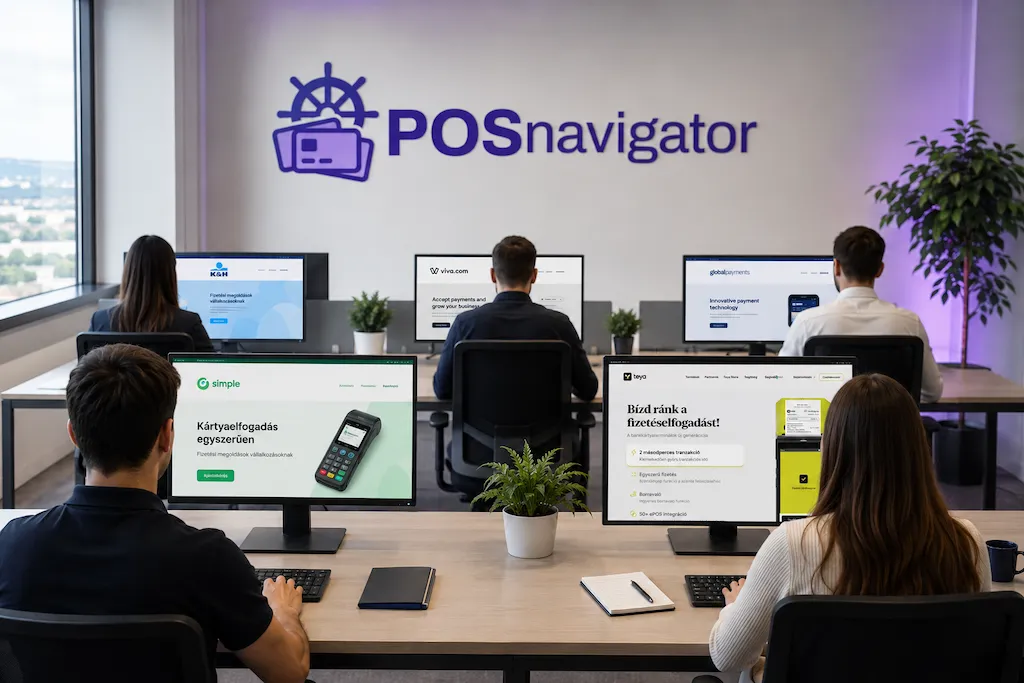
A fizetési szolgáltatók ajánlatai kívülről sokszor átláthatatlanok. Megmutatjuk, hogyan dolgozik a POSnavigator a háttérben azért, hogy egy kereskedő ne marketingígéretek, hanem valós üzleti szempontok alapján válasszon POS terminált vagy online fizetési megoldást.

A detailed merchant guide to how POSnavigator works: how the homepage AI assistant helps, what data the platform asks for, how it narrows down offers, and how it estimates costs.

The cost of card acceptance goes far beyond the transaction fee. Commitment periods, setup charges, foreign card surcharges, service terms — here is what to check before signing a contract.

A POS terminal lets you accept card payments in your business — and since 2021, providing electronic payment options is a legal requirement in Hungary. Learn how it works, the types available, costs, and how to choose the right one.

As a start-up, it is worth choosing a model without fixed fees, even if the transaction fee is higher - this way you only pay when you have revenue. In case of low basket value, avoid fixed or minimum transaction fees, as they increase your costs disproportionately. ICC++ pricing is mainly advantageous for domestic debit cards, while blended pricing is a safer choice for many foreign or credit card buyers. Terminal rental is recommended for beginners due to the lower risk, but with stable traffic, the purchase may pay off. With POSnavigator, you can easily compare offers and find the best solution for your business.
POSnavigator helps you find the best payment solution for your business, compare their features and costs, learn about terms related to payment services, and the financial or IT companies that provide them.
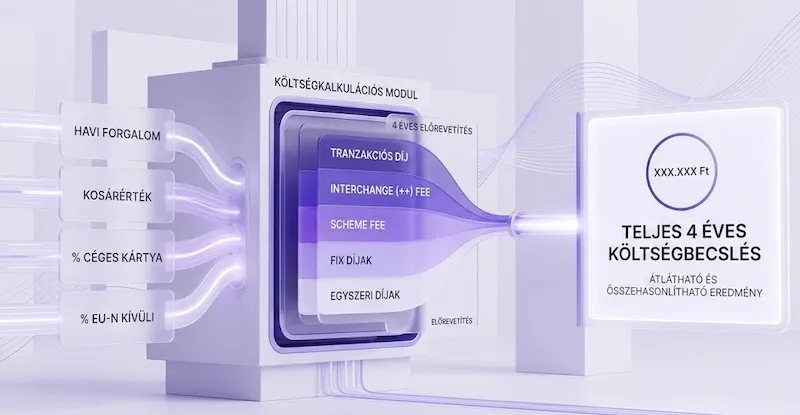
POSnavigator estimates the cost of payment services based on the data you provide (sales volume, average transaction size, composition of your customers.